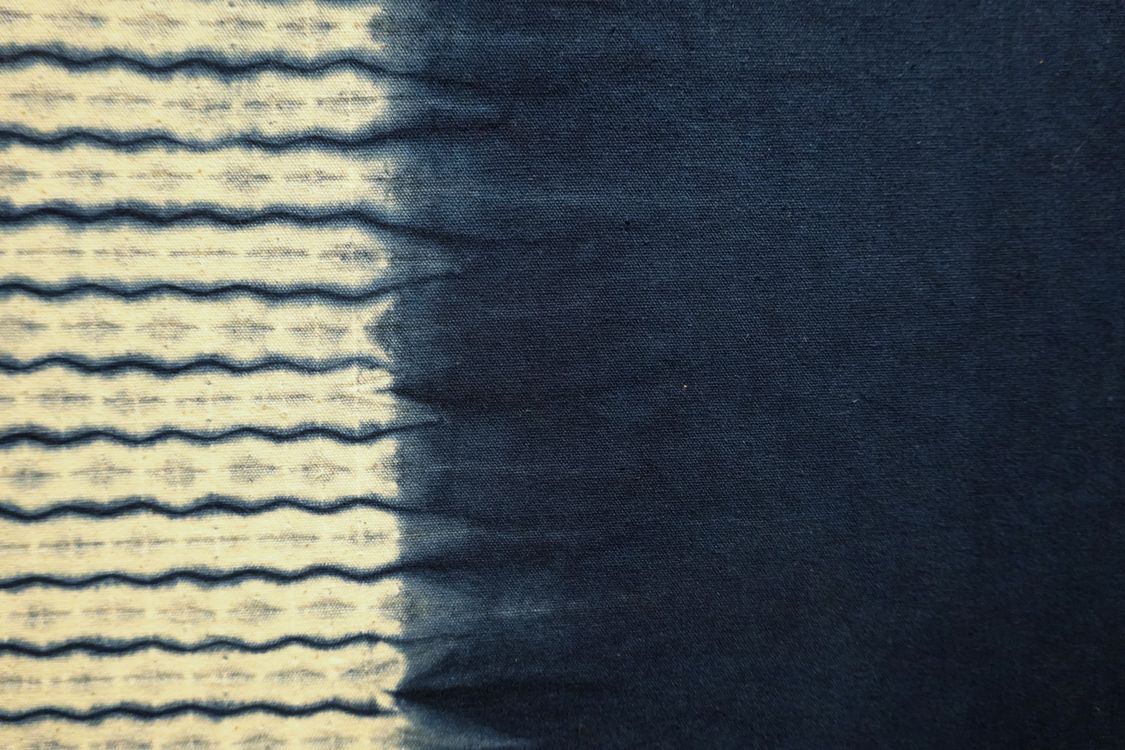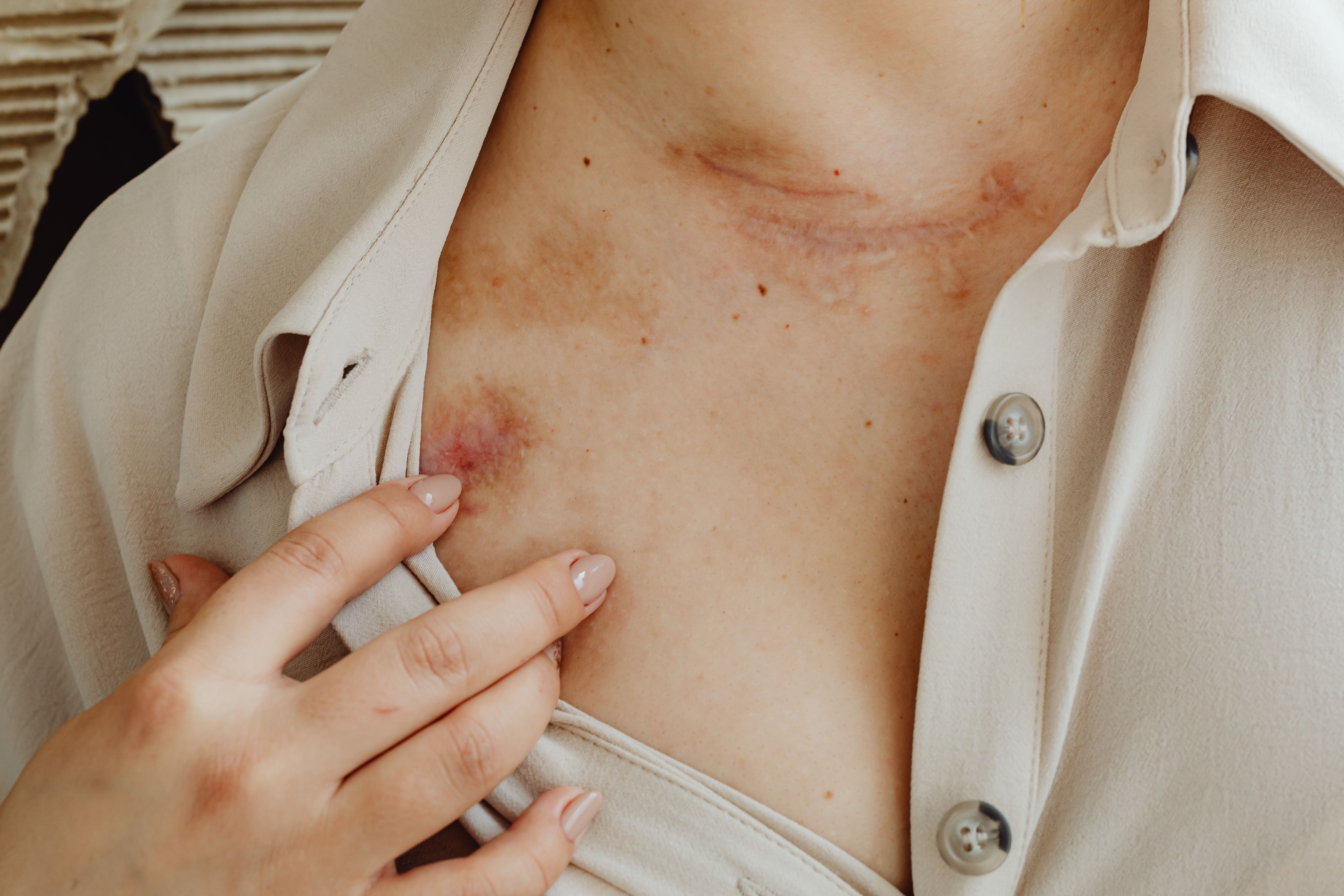
Reference photograph illustrating skin contact with clothing. Photo: Pexels.
Many consumers looking for clothing for atopic dermatitis or sensitive skin begin with cotton, TENCEL™ or modal. But the fiber is not all that touches the skin. The colorant used to dye it deserves attention, too. GREENWEAR's Biomass Natural Dyeing extends the choice of a natural fiber to the source of its color.
Consumers pay attention to skin irritation
Atopic dermatitis is an important skin-health concern in highly developed regions. A 2025 Global Burden of Disease study found that age-standardized incidence in 2021 was highest in regions with a high Socio-demographic Index.[1]
Consumers also connect clothing with their skin. In Cotton Incorporated's 2024 survey of 980 US consumers, 38% said a garment's fiber content tells them about allergies or potential skin irritation.[2] Material choice is part of how people assess clothing for their skin, alongside design and comfort.
Why consumers look for cotton, cellulosic fabrics and certification
Cotton and soft cellulosic fabrics are familiar choices for comfortable clothing. In Cotton Incorporated's 2019–2021 US consumer surveys, 74% named cotton or cotton blends as their favorite fiber to wear.[4] Lyocell, including TENCEL™ lyocell, and modal also enter the conversation because of their soft feel.
Consumers look beyond material names to supporting labels. In global research published by OEKO-TEX in 2018, 52% said they check textiles for a label from an independent organization that verifies product claims.[3]
A desire to reduce unnecessary irritation underpins these choices. It is also what brands need to address when explaining their materials to consumers seeking natural fibers and certification.
Can switching fabrics help?
Dermatology organizations recommend avoiding clothing that irritates eczema-prone skin. The American Academy of Dermatology recommends loose-fitting, 100% cotton clothes for children with atopic dermatitis and advises avoiding potential triggers such as polyester.[5]
Lyocell's wearing characteristics have also been studied. In a 2009 crossover study involving 30 participants, lyocell clothing and bedding were preferred to cotton for softness and temperature and moisture control, among other attributes.[6]
Because clothing stays close to the skin for hours, choosing a fabric that feels soft and comfortable is an important starting point.
Why reducing irritation matters to eczema-prone skin
Atopy describes an inherited tendency toward exaggerated immune responses to allergens, such as dust mites or particular foods.[13] Atopic dermatitis involves this susceptibility alongside skin-barrier function, immune responses and environmental factors.[7]
A weakened barrier loses moisture more easily and is more vulnerable to irritants. Dryness and inflammation can cause itching; scratching then damages the barrier further.[8]
Clothing developed with eczema-prone skin in mind should therefore reduce repeated exposure to irritating factors. For underwear and sleepwear, this means considering the dyes and finishing substances that may contact the skin as well as the fabric's feel.
The fiber is not the whole story
One question is easily overlooked. We check whether a garment is cotton or polyester, but may never ask what was used to color it. Skin can encounter substances used in dyeing and finishing as well as the fiber itself.
DermNet explains that clothing-related contact allergy is more often associated with additives such as dyes and formaldehyde-based finishing resins than with the fiber. Some disperse dyes can transfer to the skin and cause contact allergy.[9]
If a brand changes its fiber to address irritation, dyeing is a logical next step. The colorants used and the management of harmful substances after dyeing are important parts of developing clothing with sensitive skin in mind.
Organic cotton still leaves a colorant choice
Choosing organic cotton does not mean its color comes from a natural dye. GOTS permits both natural and synthetic dyes that meet its requirements and prohibits or restricts dyes with concerns such as allergenic potential.[10]
Natural-fiber clothing can therefore still use synthetic colorants. A product strategy concerned with skin irritation needs to continue beyond fiber origin to the source of the color and the substances remaining after dyeing.
GREENWEAR's Biomass Natural Dyeing starts with this choice of colorant. The process uses naturally derived pigments and is designed to minimize synthetic additives.
How GREENWEAR approaches dyeing for skin-contact products
GREENWEAR focuses on colorant selection with skin irritation in mind and on managing harmful substances in finished fabrics. Its published colorant information describes natural dyes meeting GOTS 6.0 and ZDHC MRSL criteria, together with constituent analysis. Colorants from sources such as madder, pomegranate and gallnut create colors for next-to-skin applications.
GREENWEAR has obtained test results demonstrating compliance of Biomass Natural Dyed fabrics with OEKO-TEX® STANDARD 100 Product Class I requirements for infant products. Class I covers babies and children up to three years of age and applies the strictest harmful-substance requirements and limit values among its product classes.[11][12]
The 2025 CENTEXBEL report records selected amines, including benzidine and aniline, alkylphenols and chlorophenols as below low numerical reporting thresholds. For example, pentachlorophenol (PCP) in the pomegranate- and gallnut-dyed fabrics was reported at less than 0.020 mg/kg, against a requirement of less than 0.05 mg/kg.[12]
Selecting the source of the color that touches the skin and managing substances of concern after dyeing are central to GREENWEAR's offer for brands developing sensitive-skin collections. Explore its approach to skin-contact fabrics for more information.
Carry your natural-fiber choice through to the dyeing process
For collections aimed at consumers with atopic dermatitis or sensitive skin, and for infant clothing and childrenswear, extend your choice of a natural fiber to the dyeing process. Considering how a fabric gets its color makes a product's commitment to reducing irritation more concrete.
Combine natural fibers such as cotton with GREENWEAR's Biomass Natural Dyeing to develop products that consider the skin from fiber to colorant. Discuss materials and dyeing with GREENWEAR.
Sources
2025 GBD analysis — Global trends and modifiable risk factors for atopic dermatitis incidence
Love & Nedorost — Fabric preferences of atopic dermatitis patients, Dermatitis 2009
Global Organic Textile Standard — Version 8.0, 2026, §§1.2.6·4.2.2.6
CENTEXBEL — OEKO-TEX STANDARD 100 certification report, JLP.EW/2682, 2025-07-15 — report supplied by GREENWEAR, pp. 2–5.
Photo: Pexels.